Preparing for Fall Sports: Why Summer Strength Training Matters
Tryouts are closer than they feel. If your athlete spent the last few months of the school year focused on finals instead of fitness, July and August are the window that decides how the fall season starts — strong and ready, or playing catch-up in week two. Here's why summer strength training matters more than most families realize, and what it actually looks like when it's done right.
The "September Sprint" Problem
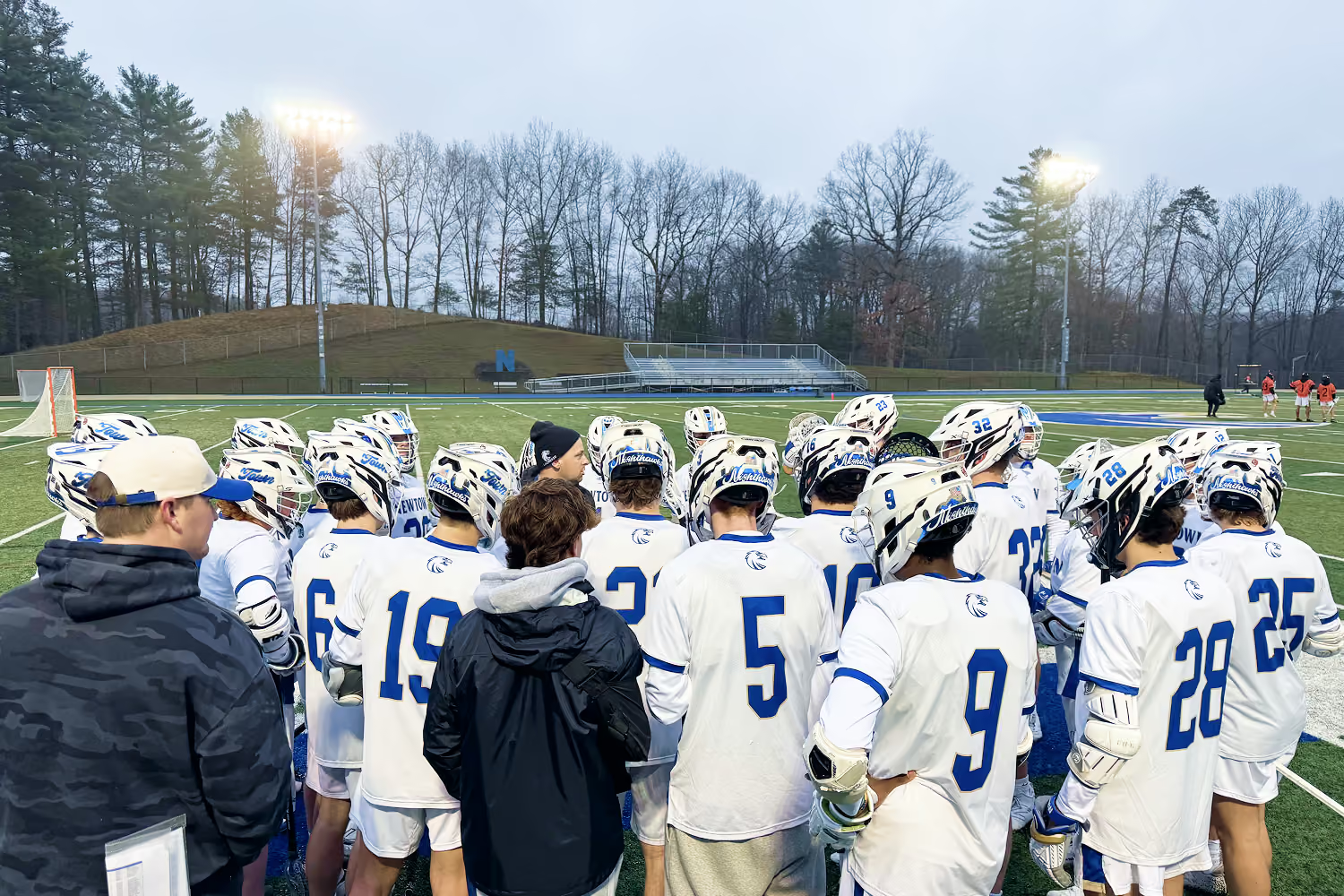
Every fall, the same pattern shows up: athletes go from a summer of low activity straight into two-a-day practices, scrimmages, and full-contact drills. The body hasn't been asked to move like that in months. That gap between "what the season demands" and "what the athlete's actually prepared for" is exactly where soft-tissue injuries, overuse issues, and burnout tend to happen — usually in the first few weeks, when coaches and parents least expect it.
Strength training over the summer closes that gap before the season ever starts.
What Off-Season Strength Training Actually Builds
This isn't about turning a 14-year-old into a powerlifter. Good off-season training for a young athlete focuses on a few specific things:
- Movement quality — teaching the body to squat, land, and change direction safely under load, before that load shows up on the field
- Work capacity — building the aerobic and muscular base to handle a full practice without breaking down by the fourth quarter
- Injury resilience — strengthening the joints and stabilizing muscles that take the brunt of cutting, jumping, and contact
- Confidence — an athlete who trusts their body moves more freely, and freer movement is safer movement
None of that shows up in a highlight reel. All of it shows up in whether an athlete is still healthy in October.
What This Looks Like at Hook'd
Our team training programs are built around the athlete's actual sport, season, and training phase — not a generic teen workout pulled off the internet. Every session is led start to finish by a certified coach who understands how to program for young, developing bodies: right intensity, right volume, right progression, with form and focus as the priority over just moving weight.
We work with school and club teams directly, tailoring the training rhythm around practice schedules and game calendars, so summer strength work complements the season instead of competing with it.
Signs Your Athlete Could Benefit
- They've had a nagging injury (ankle, knee, shoulder) that tends to flare up once the season ramps up
- They're new to a sport's physical demands, or moving up to a more competitive level
- Last season ended with them gassed by the second half, consistently
- They've never actually been taught how to squat, land, or brace properly under load
If any of that sounds familiar, a few weeks of focused strength training before tryouts can change how the whole season goes.
Get Started Before the Season Does
The best time to start is now, while there's still runway before tryouts and preseason. Our coaches will build a plan around your athlete's sport, schedule, and current training level.
Talk to a coach about sports team training and get your athlete ready before the season decides it for them.
Frequently Asked Questions
What age can kids start strength training?
Kids and teens can safely start strength training with age-appropriate coaching, focusing on bodyweight control and movement quality before adding load. A qualified coach adjusts intensity and technique to the athlete's age and experience level.
Will strength training make my kid slower or bulky?
No. Properly coached strength training builds speed and power by improving how efficiently an athlete moves — it doesn't add unwanted bulk in growing athletes, since programming is built around performance, not bodybuilding.
How many days a week should a young athlete train in the off-season?
This varies by sport and athlete, but two to three sessions a week is a common starting point for building strength without interfering with other summer activities or recovery.
Does Hook'd work with school and club teams?
Yes. Hook'd's sports team training programs are built around a team's specific practice schedule, game calendar, and season phase, whether training happens at the gym in Sandy Hook or onsite depending on logistics.